How Many Litter Boxes Per Cat: A Cat Owner’s Guide to Litter Box Setup
Wondering how many litter boxes your cats need? The answer can make a significant difference in your cat's comfort and your home's cleanliness.
Having the right number of litter boxes helps prevent accidents, reduces stress, and supports your cat's health. Many cat owners have success if they start from a commonly accepted cat to litter box ratio, then adjust for any individual factors that may and unique needs.
Pro tip: Start with one litter box per cat, plus one extra. This cat to litter box ratio can help keep your home clean and you cats happy.

Quick answer: How many litter boxes should I have per cat?
The standard rule is one litter box per cat, plus one extra. For example, if you have one cat, you should have two litter boxes. And, if you have two cats, you should have three litter boxes. This formula ensures every cat has access to a clean box, prevents territorial disputes, and reduces stress in multi-cat households.
Understanding the one-per-cat-plus-one rule
The formula is straightforward: one box per cat, plus one more. This extra box gives your cats choices and acts as a backup, especially in multi-cat homes where boxes get soiled more quickly.
Cats are naturally clean animals with strong territorial instincts. If their box isn't clean or accessible, they may eliminate elsewhere, even if they live in a one-cat household. Multiple boxes ensure your cat always has a clean option available and reduce anxiety around bathroom habits.
Why the extra litter box matters
The additional box prevents one cat from blocking another's access to clean litter. In multi-cat households, territorial cats may guard boxes, leaving other cats with no acceptable options.
The extra box also ensures that if one box becomes soiled between scoop times, cats still have a clean alternative. This is particularly important for cats who refuse to use a box that's already been used.
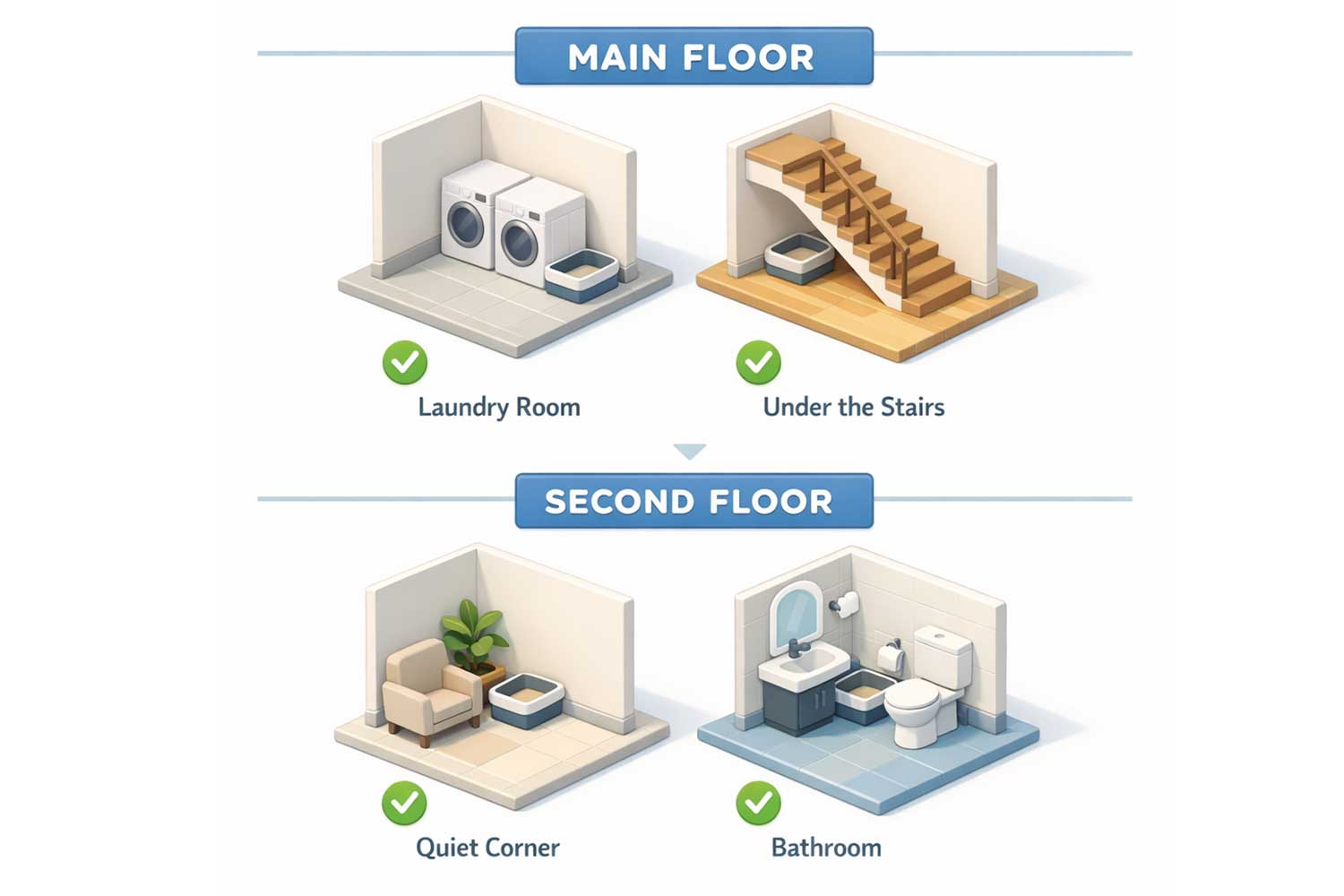
Litter box placement in multi-cat households
In homes with multiple cats, spacing boxes throughout your home is as important as the total number. Place boxes in different rooms or on different floors if possible.
Avoid clustering all boxes in one area, as cats may view grouped boxes as a single territory rather than separate options. Distribute boxes to give each cat privacy and reduce competition.
Choose quiet areas with good ventilation and easy access, avoiding high-traffic zones or spots near food bowls.
How to add more litter boxes to your home
When introducing additional litter boxes, place them in their permanent locations from the start rather than moving them later. Cats form habits around bathroom spots, so starting in the final location helps establish consistent use.
Your cats will typically begin using new boxes immediately, especially if the boxes are clean and filled with the same litter type they're already familiar with. Monitor usage for the first few days to ensure all cats are comfortable with the new setup. If a box goes unused, try relocating it to a different area or adjusting the litter depth. Some cats may show initial hesitation with a new box, but consistent scooping and keeping it clean will encourage acceptance.
Factors that influence litter box needs
Cat personality and territorial behavior
Some cats are more territorial than others. If you have a cat that guards boxes or displays anxiety around litter box areas, adding extra boxes in separate locations can reduce conflict.
Shy or nervous cats may prefer boxes in quiet, private spots away from household traffic and noise.
Home size and layout
Small apartments may require creative solutions like litter box furniture or strategic corner placements to accommodate multiple boxes. Larger homes make it easier to distribute boxes across multiple rooms or floors for better privacy and accessibility.
Age and health considerations
Senior cats with arthritis or mobility issues benefit from boxes on every level of the home to avoid having to travel up and down stairs for each litter box break. Cats with urinary tract infections or other medical conditions may need extra boxes in easily accessible locations.
Kittens may need boxes with lower sides for easy entry and exit.
Choosing the right litter boxes
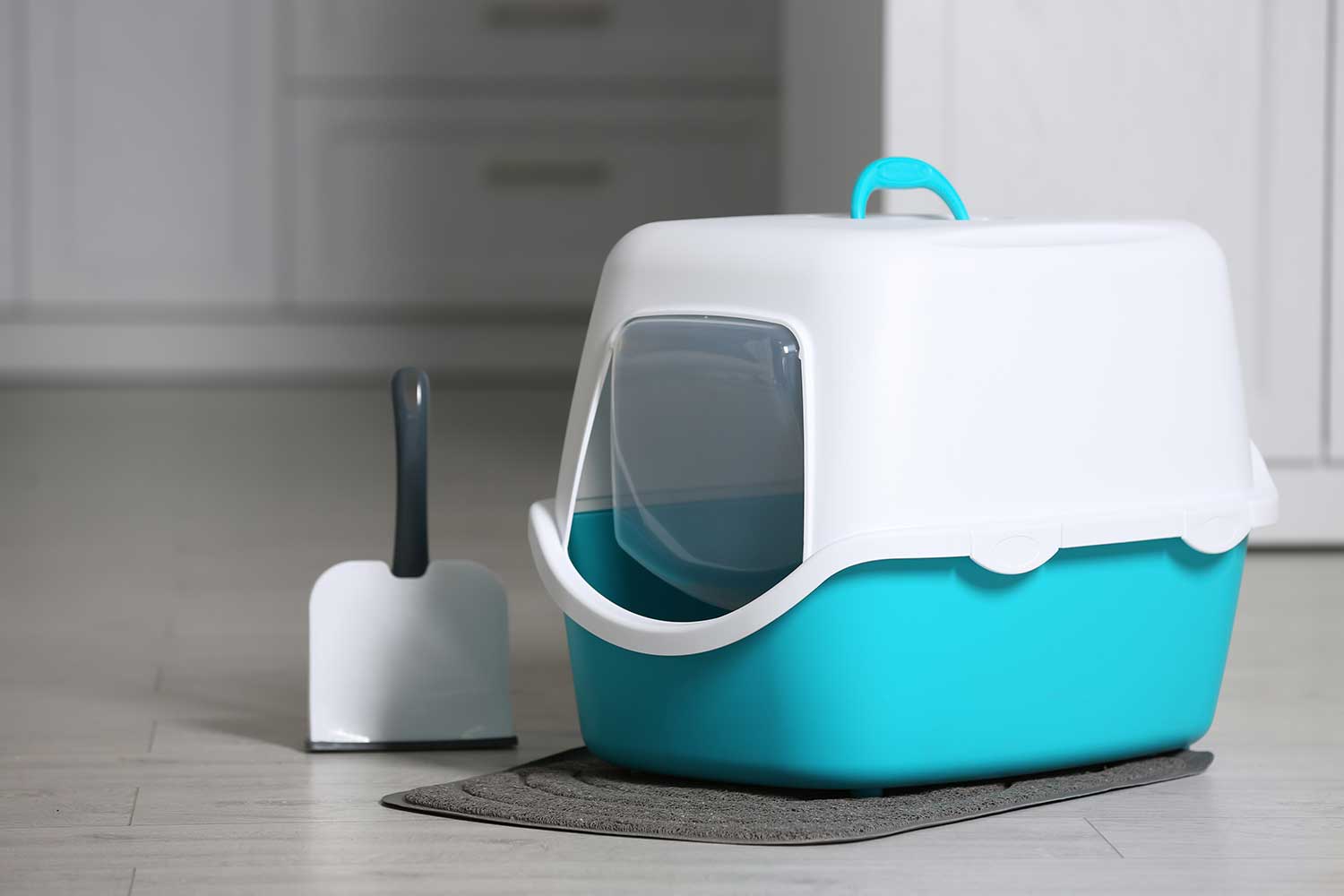
Box size and type
Select boxes large enough for your cat to turn around comfortably. As a general rule, the litter box should be at least one and a half times the length of your cat from nose to base of tail.
Some cats prefer covered boxes for privacy, while others feel trapped by covers and prefer open boxes. Observing your cat's preferences will help you select the right style.
Litter type selection
Clumping litter makes daily scooping easier and helps control odors. Most cats prefer unscented litter, as strong fragrances can deter box use. Maintain consistency in litter type across all boxes to avoid confusing your cats.
Optimal litter box placement
Place boxes in quiet, low-traffic areas with adequate ventilation. Avoid positioning them near food and water bowls, in cramped spaces, or in areas with loud appliances.
For hygiene reasons, it’s recommended to keep cat litter boxes on hard floors, such as tile, wood, or vinyl. These types of flooring are easier to clean, whether vacuuming up loose litter pieces or trying to remove dried-on urine drops. For more tips and cleaning product recommendations, read How to Clean Around Your Cat Litter Box.
Cats prefer privacy and a sense of safety when using their litter box. Choose locations with multiple escape routes so cats don't feel trapped.
Signs you need more litter boxes
Watch for these indicators that your current setup isn't meeting your cats' needs:
- Accidents outside the litter box
- Cats avoiding or hesitating to use boxes
- Territorial disputes near litter box areas
- One cat consistently waiting for another to finish
- Visible stress or anxiety around bathroom habits
These behaviors often signal that adding another box would improve the situation.
Common litter box problems and solutions
Dirty boxes are the most common reason cats avoid their litter box. Insufficient number of boxes, poor placement, stress, and medical issues can also cause avoidance.
If your cat suddenly stops using the box, evaluate your setup and routine. Scoop boxes daily and perform How Often to Change Cat Litter according to your litter type's recommended schedule. Add more boxes if you notice avoidance behaviors.
If problems persist despite these changes, consult your veterinarian to rule out medical issues.
Special considerations for different cats
Kittens and senior cats
Kittens need boxes with low sides (three to four inches) for easy entry. Place boxes close to areas where kittens spend most of their time.
Senior cats often benefit from boxes with lower sides or cutout entrances to accommodate reduced mobility. Position boxes on every floor of your home so elderly cats don't need to navigate stairs frequently.
Cats with mobility issues
Cats with arthritis, hip dysplasia, or other mobility challenges may need boxes with very low entry points. Consider open-top boxes that are easier to enter than traditional covered boxes, and place these boxes in easily accessible locations.
Maintaining multiple litter boxes
Scoop all litter boxes at least once daily. In multi-cat households, scoop twice daily if possible.
Perform complete litter changes according to your litter type: every two to three weeks for clumping litter with one cat, or every one to two weeks with multiple cats. Wash boxes with mild soap and water during each complete change. For more information, read How Often to Change Cat Litter.
Frequently asked questions
Can cats share a litter box?
While some cats will share boxes, it's not ideal for their health or stress levels. Multiple boxes reduce territorial disputes and ensure each cat has access to a clean box. Even bonded cats benefit from having separate options.
Is one litter box enough for one cat?
For a single cat, two litter boxes is the recommended minimum following the one-per-cat-plus-one rule. This provides a backup if one box becomes soiled and gives your cat choices, which can prevent litter box avoidance.
What happens if I don't have enough litter boxes?
Insufficient litter boxes can lead to inappropriate elimination, increased stress, territorial aggression between cats, and higher risk of urinary tract infections. Cats may also develop anxiety around bathroom habits.
How do I transition my cat to a new litter box setup?
If you are adding litter boxes to your home, place new boxes in their permanent locations. Keep your original box in the same place as usual. Fill new and old litter boxes with the same litter amount and type as usual to increase acceptance of the new box.
Where should I place multiple litter boxes?
Distribute boxes across different rooms or floors of your home. Avoid placing all boxes in the same area. Good locations include bathrooms, laundry rooms, spare bedrooms, or quiet corners with easy access.
Do I need different types of litter boxes?
Variety can be helpful. Some cats prefer covered boxes while others prefer open ones. Providing both styles gives cats choices and can prevent avoidance issues. However, maintaining consistency in litter type across boxes is generally recommended.
This is a carousel. Use the Next and Previous buttons to navigate between slides, or use the scrollbar to scroll through content.