How Often to Change Cat Litter: Complete Guide to Litter Box Maintenance
Keeping your cat's litter box fresh will control odors – can help your cat's health and happiness. But how often should you completely change the litter? The answer depends on the type of litter you use, how many cats share the box, and your scooping habits.
These variables can help you create a cleaning schedule that keeps your home fresh and your feline satisfied.
Pro tip: Scooping solid waste daily, regardless of litter type, is the single thing you can do to extend the time between full litter changes and keep odors under control.
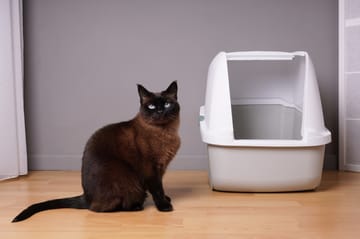
Quick answer: How often should you change cat litter?
For clumping litter with one cat, replace litter completely every two to three weeks. For non-clumping litter, change weekly. Multiple cats require more frequent changes: every one to two weeks for clumping litter and every four to five days for non-clumping varieties. Specialty litters like silica gel or biodegradable options follow different schedules based on their absorption properties.
Pro tip: Cleaning around your cats litter box can also cut down on odors and reduce the amount of litter scattered around your home. This article breaks down how to best clean around the litter box area.
What factors determine litter change frequency?
Several key factors influence how often you need a complete litter refresh:
Type of litter: Clumping, non-clumping, and specialty litters handle moisture and odor differently, affecting how long they stay fresh.
Number of cats: More cats means more waste, requiring more frequent complete changes to maintain hygiene and prevent odor buildup.
Daily scooping habits: Consistent daily scooping removes waste before it saturates the litter, extending the time between full changes significantly.
Box usage: High-traffic litter boxes need more frequent attention than boxes used occasionally.
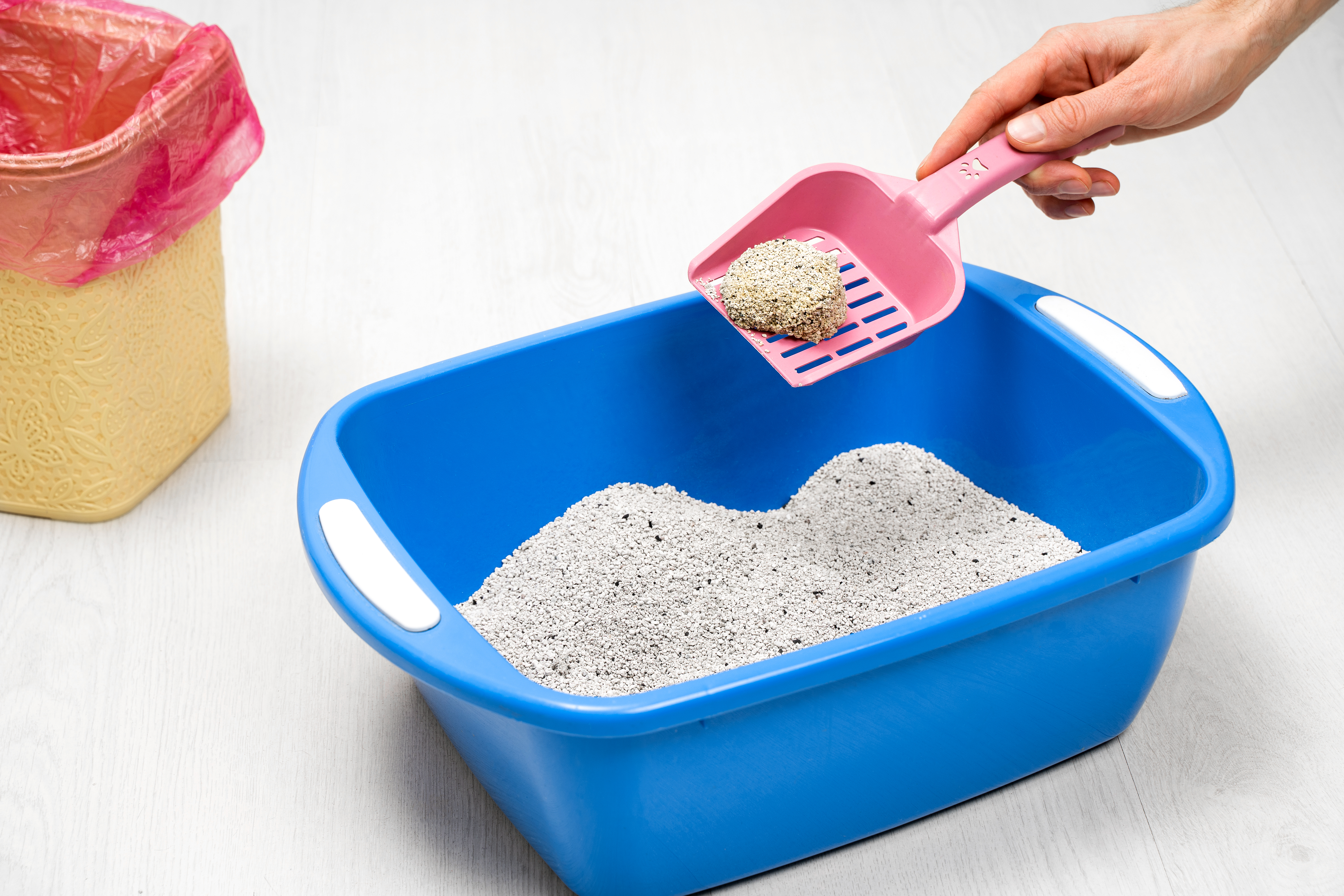
How often to change clumping cat litter
Clumping litter, which is typically made from bentonite clay, forms solid clumps when wet, making it easy to scoop and remove waste. This property keeps the remaining litter cleaner for longer periods.
For one cat with daily scooping, change clumping litter completely every two to three weeks. If you scoop twice daily, you may extend this to three to four weeks.
For multiple cats sharing one box, change clumping litter every one to two weeks. The exact timing depends on box usage – observe the litter's condition and change sooner if you notice persistent odors or poor clumping.
Pro tip: All time recommendations are approximate. You may find that your cat litterbox needs more frequent cleaning, or that your cat’s habits mean the litter doesn’t need to be changed quite as much.
How often to change non-clumping cat litter
Non-clumping litters – including clay, recycled paper, and wood pellet litter – absorb moisture but don't form removable clumps. Urine saturates the entire litter bed over time, leading to faster odor development.
For one cat, change non-clumping litter completely once per week. Even with daily scooping of solid waste, absorbed urine creates odor buildup that requires full replacement.
For two or more cats, change non-clumping litter every four to five days to maintain adequate odor control.
How often to change specialty cat litter
Specialty litters include silica gel crystals, corn-based, wheat-based, walnut shell, and other biodegradable options. Each type has unique absorption properties.
Silica gel crystals: These absorb moisture into porous crystals that change color when saturated. Scoop solid waste daily and change completely every three to four weeks for one cat, or every two weeks for multiple cats.
Biodegradable litters (corn, wheat, walnut): Most biodegradable litters should be changed every one to two weeks for one cat, or weekly for multiple cats. Check manufacturer recommendations.
Recommended litter change schedule by type
Litter type | Daily scooping | Full change (1 cat) | Full change (2+ cats) |
Clumping clay | Daily | Every 2-3 weeks | Every 1-2 weeks |
Non-clumping clay | Daily | Weekly | Every 4-5 days |
Silica gel crystals | Daily | Every 3-4 weeks | Every 2 weeks |
Biodegradable/pellets | Daily | Every 1-2 weeks | Weekly |
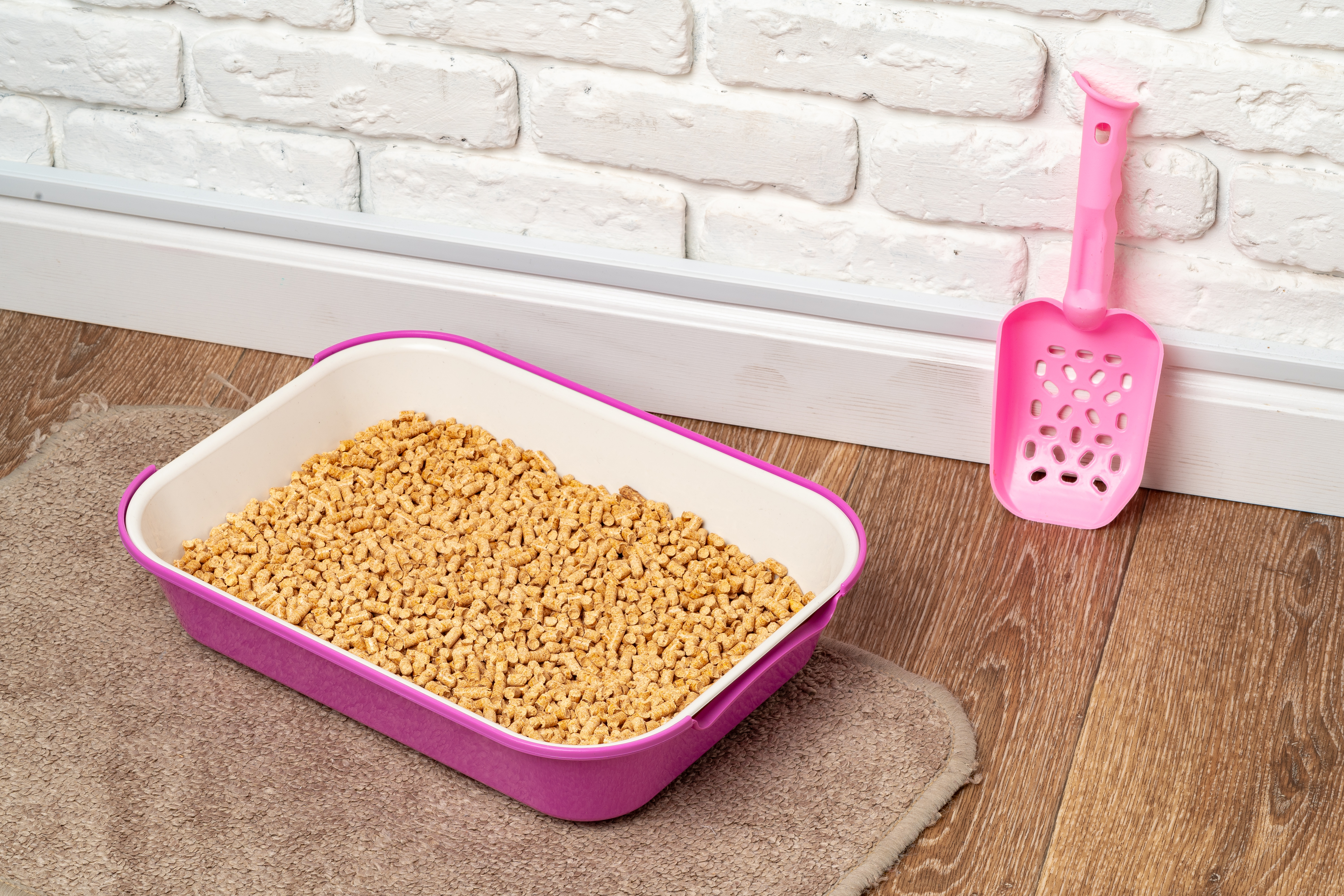
How to change cat litter: Step-by-step guide
Step 1: Empty the litter box
Put on gloves and remove your cat from the area. Scoop any remaining solid waste, then pour all used litter into a sturdy trash bag.
Step 2: Wash the litter box
Scrub the empty box with warm water and mild, unscented soap or a pet-safe cleaner. Avoid harsh chemicals or strong fragrances that may deter your cat from using the box.
Step 3: Dry thoroughly
Dry the box completely with paper towels or a dedicated cloth. Any remaining moisture can cause fresh litter to clump prematurely.
Step 4: Add fresh litter
Fill the box with two to three inches of fresh litter or follow the manufacturer's recommended depth. Too little litter prevents proper absorption.
Step 5: Clean surrounding area
Wipe down the box exterior, clean any litter mats, and return the box to its location.
Signs you need to change litter sooner
Watch for these indicators that your litter needs changing before your scheduled date:
- Persistent odors that remain even after scooping indicate saturated litter that can't absorb more waste.
- Poor clumping in clumping litter means the material has lost its effectiveness and needs replacement.
- Litter box avoidance or accidents outside the box often signal that your cat finds the box too dirty.
- Visible waste stuck to the sides or bottom of the box, or dark, soggy areas in the litter.
Can you add fresh litter on top of old litter?
Topping off old litter is not recommended. This temporary fix often creates more problems than it solves. While it may mask odors briefly, bacteria and ammonia remain trapped underneath. Urine-soaked litter at the bottom continues degrading, creating an unhygienic environment your cat will likely avoid.
Use this approach only in emergencies, and follow up with a complete litter change within 24-48 hours.
Tips for maintaining a fresh litter box between changes
Scoop daily: Remove solid waste and clumps at least once per day – twice daily for multiple cats.
Maintain proper litter depth: Keep litter at the manufacturer's recommended depth, typically two to three inches.
Use unscented litter: Cats have sensitive noses and often prefer unscented options over heavily fragranced varieties.
Ensure adequate ventilation: Keep the box in a well-ventilated area to prevent ammonia buildup and odor concentration.
Best practices for multi-cat households
Multiple cats require stricter litter box maintenance. Follow the "one box per cat, plus one extra" rule to prevent territorial disputes and ensure each cat has access to a clean box.
Scoop all boxes twice daily if possible. Change litter in each box every one to two weeks for clumping varieties, or every four to five days for non-clumping types.
Disposing of used cat litter safely
Never flush cat litter down the toilet – even brands labeled "flushable" can cause plumbing problems and may introduce parasites into water systems.
Bag used litter tightly in sealed trash bags and dispose of it in regular garbage. Some biodegradable litters can be composted, but never use this compost on edible gardens due to potential parasite contamination.
Frequently asked questions
How often should you completely change cat litter?
For clumping litter, change completely every two to three weeks for one cat or every one to two weeks for multiple cats. Non-clumping litter requires weekly changes for one cat or every four to five days for multiple cats. Always scoop daily regardless of litter type.
What happens if you don't change cat litter often enough?
Infrequent litter changes cause ammonia buildup, bacterial growth, and persistent odors. Cats may refuse to use a dirty litter box, leading to accidents elsewhere. Prolonged exposure to dirty litter can also cause urinary tract infections and respiratory irritation.
How do you know when to change cat litter?
Change litter when you notice persistent odors after scooping, poor clumping in clumping litter, litter box avoidance, visible waste stuck to the box, or when you reach your scheduled change date based on litter type.
Should you wash the litter box every time you change litter?
Yes, wash the litter box with mild soap and water every time you do a complete litter change. This removes bacteria, helps alleviate odors, and eliminates any residue that fresh litter alone can't address. Dry the box completely before adding new litter.
How often should you scoop cat litter?
Scoop solid waste and clumps at least once daily for all litter types. Multiple cat households should scoop twice daily. Daily scooping is the single most important habit for extending time between full litter changes and it is your best course of action for controlling odors.
What's the best litter for reducing change frequency?
High-quality clumping litters made from bentonite clay typically last longest between changes. Silica gel crystals also offer extended use. However, the "best" litter depends on your cat's preferences – some cats refuse certain textures or scents regardless of performance.
This is a carousel. Use the Next and Previous buttons to navigate between slides, or use the scrollbar to scroll through content.