How to Clean a Rug: Refresh and Brighten While Removing Dirt and Pet Hair
Area rugs add warmth, color, and character to a home while protecting high-traffic floors from wear and damage. However, rugs accumulate dirt, pet hair, and odors over time, making regular upkeep a must. Unlike wall-to-wall carpet, area rugs present unique cleaning challenges, including material type and placement.
"Rugs are often placed in high-traffic and high-usage areas, so they need regular vacuuming and washing,” says Trung Phan, BISSELL Senior Chemist. “At the same time, rug fibers are often shorter than carpet fibers, so they don’t need quite as much formula or suction to remove messes. With a CrossWave® vac + mop machine and stain-removing CrossWave™ Pet Pro Oxy Multi-Surface Formula, you can deliver targeted cleaning to your rugs, removing debris and odors while brightening and refreshing the material.”
In this comprehensive guide, learn the most effective methods for refreshing and cleaning area rugs, from regular vacuuming to cleaning techniques that restore rugs to like-new condition.
Pro Tip: The CrossWave® OmniForce® Edge multi-surface cleaner can vacuum and mop hard floors as well as area rugs. Using the machine with CrossWave™ Pet Pro Oxy Multi-Surface Formula, which has stain-removal ingredients, is the best way to deliver a true clean to an area rug clean.
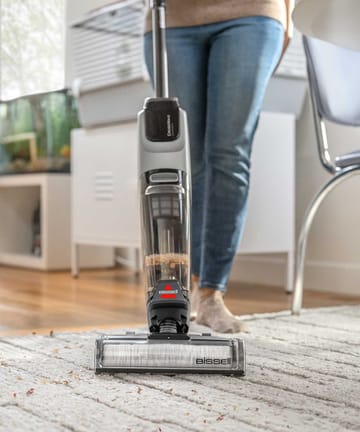
Quick answer: Best way to clean a rug
The most effective rug cleaning routine includes vacuuming regularly (at least weekly) to remove dirt and hair, and using cleaning formula on the entire rug monthly or as needed.
This is the standard process for cleaning most rugs, although there are some exceptions. For instance, for delicate materials like silk or valuable antique rugs, professional cleaning may be safest, while other rugs are machine washable.
Pro Tip: Always check your rug's care label before cleaning. Only rugs with “W” or “WS” on the tag are safe to clean with water-based cleaning formulas. To ensure a cleaning method is safe to use and won’t damage delicate fibers or dyes, always test it on a small, inconspicuous area first.
What you need to clean a rug
Whether you’re vacuuming debris from a rug or cleaning it more deeply with cleaning solution, you only need one machine. The CrossWave® OmniForce® Edge Wet Dry Vac can be used in Power Vac Mode as a vacuum cleaner to remove dry dirt and debris; switch to Power Mop Mode and add CrossWave™ Pet Pro Oxy Multi-Surface Formula to wash an area rug clean and give it a monthly refresh. This cleaning formula is the only multi-surface cleaner with oxy, which helps break down tough stains, making it a top pick for cleaning area rugs.
Pro Tip: When cleaning a rug – whether in Power Vac or Power Mop Mode – always switch on Turbo Mode, too. This delivers extra suction for both vacuuming and mopping, and extra cleaning formula when mopping.
When you buy as a bundle on BISSELL.com, the CrossWave® OmniForce® Edge All-in-One Multi-Surface Bundle comes with extra parts and formulas for the same price as the standard machine.
For regular vacuuming:
- Use the CrossWave® OmniForce® Edge Wet Dry Vac in Power Vac Mode
For deeper cleaning with formula:
- Pull out your CrossWave® OmniForce® Edge Wet Dry Vac and set to Power Mop Mode with Turbo Mode turned on
- Use CrossWave™ Pet Pro Oxy Multi-Surface Formula to clean set-in stains and daily wear
Understanding your rug's material before cleaning
Different rug materials require different cleaning approaches. Before you start any cleaning process, identify your rug's composition.
Synthetic rugs (polyester, nylon, polypropylene): These are the most durable and forgiving. They can handle vacuuming, wet cleaning, and most stain removers without damage. Synthetic rugs are ideal for high-traffic areas and homes with pets or children.
Cotton rugs: Cotton is durable and can generally handle both dry and wet cleaning methods. Many cotton rugs are machine washable, though larger area rugs typically require other cleaning methods.
Wool rugs: Natural wool fibers require gentler treatment. While wool is naturally stain-resistant and durable, it can shrink or become damaged with excessive moisture or harsh chemicals. Use wool-safe cleaning products and avoid over-wetting or using hot water.
Natural fiber rugs (jute, sisal, seagrass): These rugs are highly sensitive to moisture and can stain, warp, or develop mildew if wet. Stick to dry cleaning methods and professional cleaning when necessary.
Silk rugs: Because these are often extremely delicate and expensive, silk rugs should almost always be professionally cleaned. Water and household cleaning products can permanently damage silk fibers and dyes.
Always check the manufacturer's care label before cleaning. Rugs with “W” or “WS” on the tag are rated as safe to clean with water-based cleaning formula. When in doubt, test any cleaning method on a small, hidden section of the rug first.
How to vacuum a rug
How often should you vacuum an area rug?
Vacuum high-traffic area rugs at least once per week, and rugs in lower-traffic areas every 1 to 2 weeks. Homes with pets, children, or allergy sufferers benefit from vacuuming high-traffic rugs 2 to 3 times per week to control pet hair, dander, and dirt accumulation.
Method: Use Power Vac Mode on CrossWave® OmniForce™ Edge Wet Dry Vac
Regular vacuuming is the foundation of rug maintenance. Using a CrossWave® OmniForce™ Edge Wet Dry Vac in Power Vac Mode with Turbo Mode turned on effectively removes surface dirt, pet hair, crumbs, and dust before they become embedded in rug fibers. Unlike wet cleaning, dry vacuuming can be done frequently without any need to consider drying time. Vacuuming is generally safe for all rug types including delicate natural fibers.
Materials needed
- The CrossWave® OmniForce™ Edge Wet Dry Vac in Power Vac Mode + Turbo Mode
Safe for use on:
- All are rug types (synthetic, wool, cotton, natural fiber)
- All pile heights
- Rugs on hard floors or over carpet
- Delicate rugs (when used gently)
Step 1: Clear the rug
Remove small furniture, toys, or other items from the rug surface. If possible, lift lightweight furniture temporarily to vacuum underneath. For heavier furniture, vacuum around it and consider moving it occasionally for thorough cleaning underneath.
Step 2: Vacuum the rug systematically
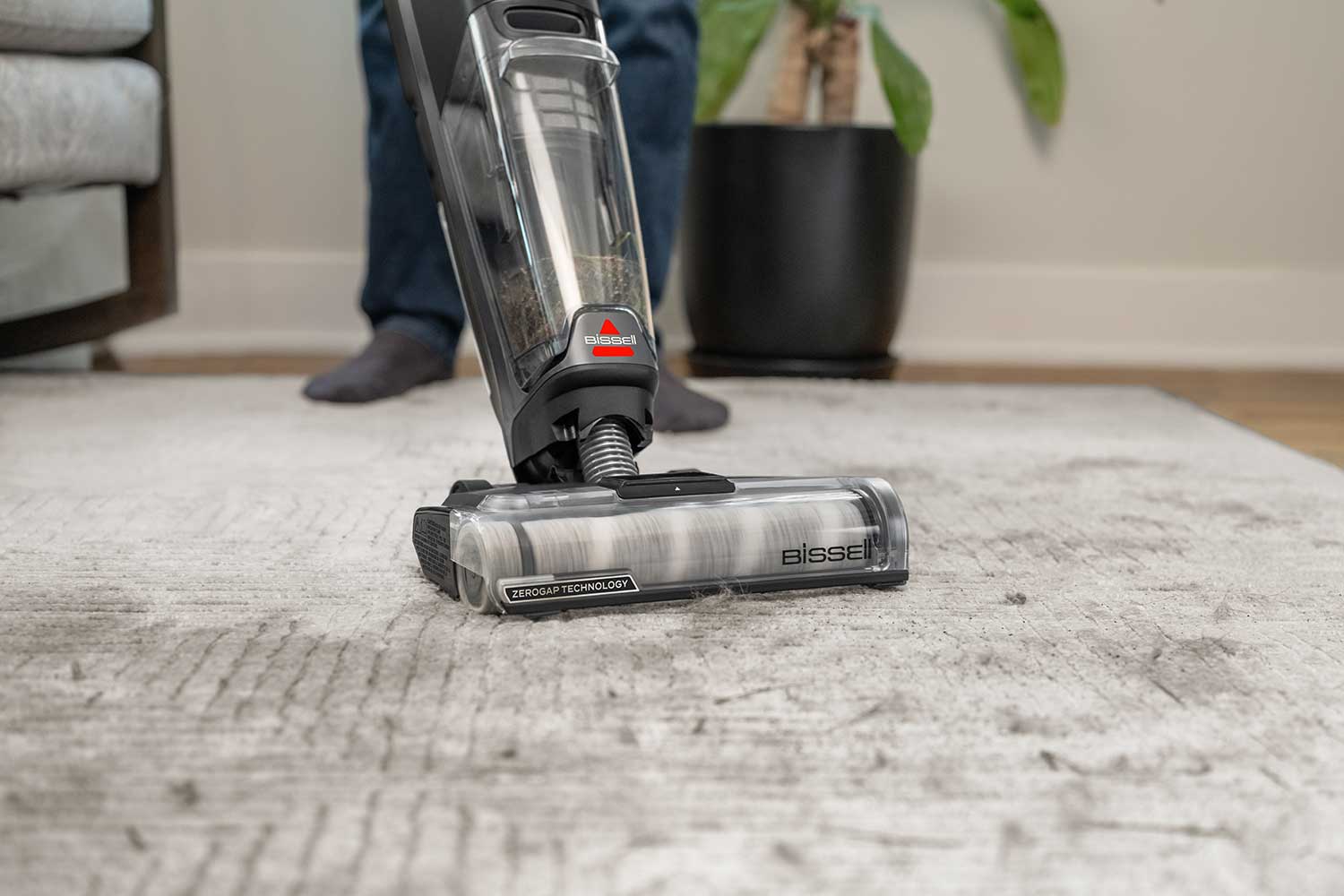
Pro tip: Vacuum in the direction of the pile (the way the fibers naturally lay) first, then make perpendicular passes to ensure you've captured all debris.
Step 3: Empty the Dirty Tank
After vacuuming, empty the Dirty Tank.
How to clean and wash a rug
Can you use a wet dry vacuum on area rugs?
Yes, wet dry vacuums that vacuum and mop at the same time – like the CrossWave® OmniForce™ Edge machine – are specifically designed to refresh area rugs. CrossWave® machines vacuum up dirt and debris while simultaneously coating rug fibers with cleaning solution, leaving rugs cleaner than any other single method. As with other cleaning techniques, always verify your rug's material can handle wet cleaning before starting.
Method: Cleaning with a CrossWave® wet dry vac and formula
The CrossWave® OmniForce™ Edge Wet Dry Vac combines dry and wet cleaning – both vacuuming and washing a rug with cleaning formula – making it more efficient than other methods. Cleaning solution loosens debris and refreshes fibers while strong suction lifts dry matter and cleaning formula into the Dirty Tank. And with CrossWave™ Pet Pro Oxy formula, this machine quickly removes ground-in dirt, brightens colors, eliminates odors, and restores the rug's appearance.
CrossWave™ Pet Pro Oxy Multi-Surface Formula is the only multi-surface formula with oxy, which is an essential ingredient for removing tough stains. It also helps prevent staining from mold or mildew on your brush roll and eliminates odors on your rugs.
Materials needed
- Use the CrossWave® OmniForce™ Edge Wet Dry Vac in Power Mop Mode + Turbo Mode
- Plus CrossWave™ Pet Pro Oxy Multi-Surface Formula, which uses oxy to break down tough stains
- Warm tap water
Safe for use on:
- Synthetic rugs (polyester, nylon, polypropylene)
- Cotton rugs
- Most wool rugs (check care label first)
- Colorfast rugs
Not recommended for:
- Silk rugs
- Natural fiber rugs (jute, sisal, seagrass)
- Antique or delicate rugs
- Rugs with "dry clean only" labels
- Rugs with on-colorfast dyes
Step 1: Clear the rug
Remove toys, shoes, and other items from the rug. If possible, move furniture off the rug so you can get a thorough cleaning.
Step 2: Test for colorfastness
Before cleaning, test a small, hidden area of the rug (such as a corner or section under furniture) to ensure the colors won't bleed. Apply a small amount of diluted cleaning solution, wait a few minutes, then blot with a white cloth. If color transfers, use professional cleaning instead.
Step 3: Fill the CrossWave® machine
Remove the clean water tank from your CrossWave® OmniForce™ Edge machine. Fill it with warm tap water up to the water fill line. Add CrossWave™ Pet Pro Oxy formula up to the formula fill line. Reinsert the clean water tank until it clicks securely into place.
Step 4: Clean the rug
Position the CrossWave® wet dry vac along one edge of the rug. Turn on the machine in Power Mop Mode, and switch on Turbo Mode, too. Press the spray trigger and slowly push the machine forward, releasing cleaning solution and scrubbing the rug with the brush roll.
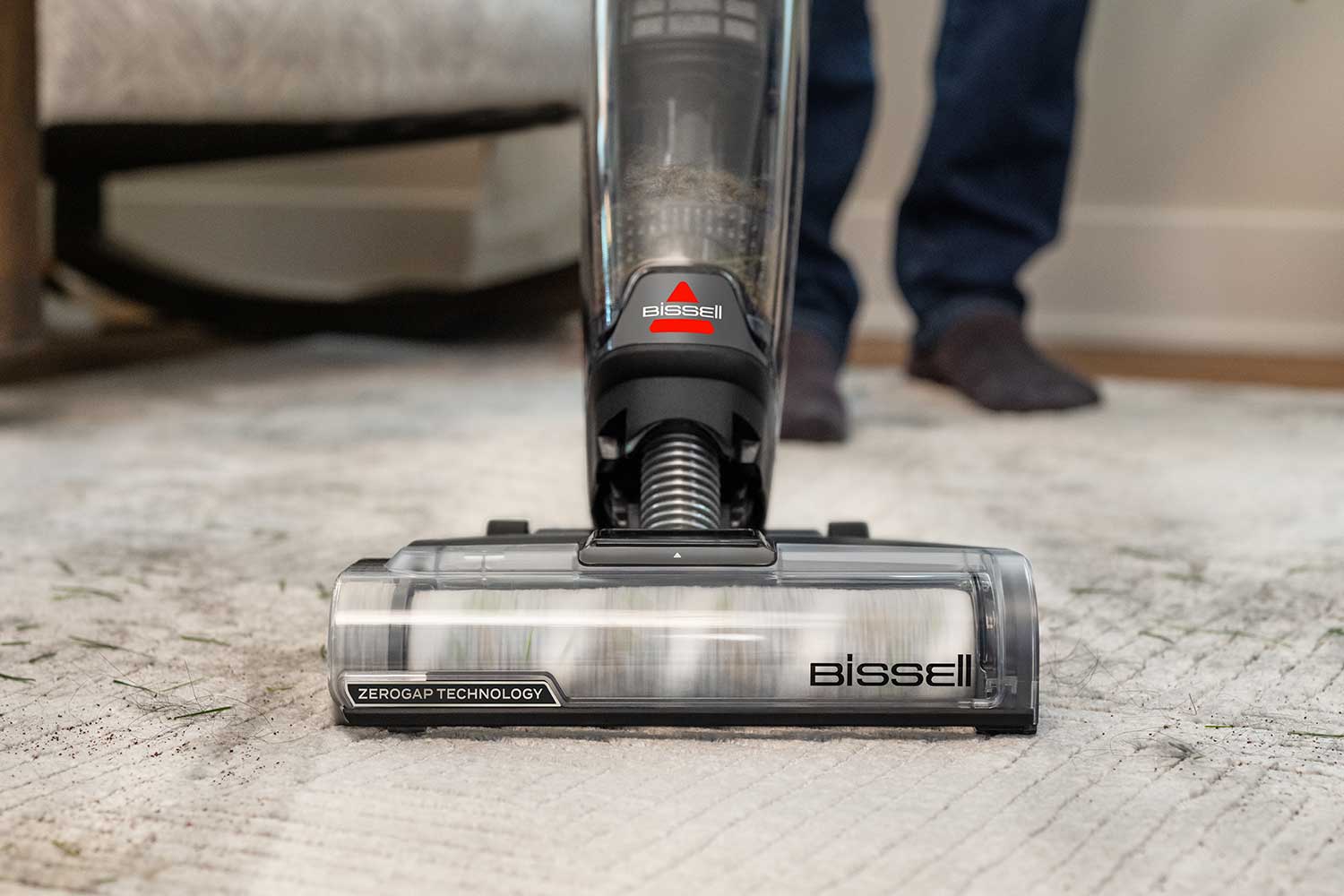
Step 5: Repeat on high-traffic areas
For areas with extra wear, change your angle and make additional passes. The longer the oxy cleaning solution has to work, the more effective it is.
Step 6: Final extraction pass
To help speed up drying time for your rug, you may want to go over the rug once more without pressing the spray trigger. This will extract more moisture so rug will dry more quickly. Avoid walking on the rug or moving back furniture until it is completely dry. You can turn on a fan or your HVAC system or open an window to encourage faster drying.
Step 7: Clean the machine
After you are done cleaning, place the CrossWave® machine back on its docking station, run the Clean-Out Cycle, and empty the Dirty Tank.
Pro tip: Use formula to clean rugs monthly in high-traffic areas like entryways and living rooms, and every 2 to 3 months for rugs in bedrooms or less-used spaces.
When to get professional rug cleaning
How do you know if a rug needs professional cleaning?
Consider professional cleaning for valuable or antique rugs, delicate materials like silk or unsealed natural fibers, rugs with stubborn stains that home methods can't remove, rugs with heavy soil buildup, or rugs without care labels when you're uncertain about safe cleaning methods.
While home cleaning methods work well for most everyday rugs, some situations require professional expertise and specialized equipment. These include:
- Delicate or expensive materials: Silk rugs, antique Persian or Oriental rugs, and valuable hand-woven pieces should always be professionally cleaned. These materials require specialized knowledge and gentle handling that home equipment can't provide.
- Natural fiber rugs: Jute, sisal, seagrass, and similar natural fiber rugs are highly sensitive to moisture. Professional cleaners use dry cleaning methods specifically designed for these materials to prevent warping, shrinking, or mildew.
- Uncertainty about material: If you're not sure what your rug is made of or how to care for it safely, professional cleaners can identify the material and use appropriate methods.
What to expect from professional rug cleaning
Professional rug cleaners typically:
- Inspect the rug for material type, damage, and staining
- Use specialized equipment like rug dusters to remove embedded dirt
- Apply appropriate cleaning methods based on fiber type (dry cleaning for delicate materials, wet cleaning for durable fibers)
- Address specific stains with targeted treatments
- Dry rugs in controlled environments to prevent mildew
- Offer repairs, moth treatment, or protective treatments as needed
Professional cleaning can be quite expensive, so get multiple quotes. If your rug is safe to clean with a water-based cleaner, it may be more economical to invest in your own CrossWave® wet dry vac for regularly maintenance cleaning.
How to prevent rugs from getting excessively dirty
Prevention reduces how often rugs need deep cleaning and extends their lifespan.
Use entry mats: Place doormats both outside and inside exterior doors to capture dirt, moisture, and debris before they reach your area rugs.
Remove shoes indoors: Establish a no-shoes policy to reduce the amount of outdoor dirt and debris tracked onto your rugs.
Vacuum regularly: Weekly vacuuming (or more often in high-traffic areas) prevents surface dirt from becoming embedded in fibers where it's harder to remove.
Rotate rugs seasonally: Rotate rugs 180 degrees every 3 to 6 months to distribute wear evenly and prevent traffic patterns from creating permanent paths.
Address spills immediately: The faster you treat stains, the less likely they are to set permanently. Keep your CrossWave® machine accessible for quick spot cleaning response.
Use rug pads: Quality rug pads not only prevent slipping and extend rug life, but they also create a barrier between the rug and floor that reduces dirt transfer.
Limit food and drinks: Establish eating areas away from your most valuable rugs, or choose washable, durable rugs for areas where spills are likely.
Groom pets regularly: Brushing pets frequently reduces the amount of hair and dander that ends up on your rugs.
Move furniture occasionally: Shift furniture by a few inches every few months to vacuum underneath and prevent permanent indentations.
Frequently asked questions
What is the best way to clean an area rug?
The best method depends on your rug's material and soil level. For regular maintenance, vacuum weekly with a the CrossWave® OmniForce™ Edge Wet Dry Vac in Power Vac Mode with Turbo Mode switched on. For deeper cleaning, use your CrossWave® machine with CrossWave™ Pet Pro Oxy Multi-Surface Formula to simultaneously vacuum and mop the rug. For this, use Power Mop Mode with Turbo Mode turned on. Delicate materials like silk may require professional cleaning.
Can you vacuum and wash a rug at the same time?
Yes, the CrossWave® OmniForce™ Edge Wet Dry Vac is specifically designed to vacuum, wash, and extract moisture in one pass. When using it in Power Mop Mode with Turbo Mode turned on and with a formula such as CrossWave™ Pet Pro Oxy Multi-Surface Formula, it picks up debris while simultaneously washing the rug, making it far more efficient than traditional vacuuming followed by separate deep cleaning.
How often should you deep clean a rug?
Clean high-traffic area rugs monthly with cleaning solution. Rugs in lower-traffic areas can often be cleaned every 2 to 3 months. However, you may need to adjust your frequency based on household factors: homes with pets, children, or shoes worn indoors need more frequent cleaning. At minimum, clean rugs with cleaning solution at least 2 to 3 times per year.
Can you use a CrossWave® wet dry vac on wool rugs?
Yes, you can use a CrossWave® machine on most wool rugs, but take precautions. Vacuuming is generally safe for cleaning rugs, and the CrossWave® OmniForce™ Edge Wet Dry Vac can be used in Power Vac Mode – turning on Turbo Mode will increase the suction, which can help remove debris deep in area rug fibers.
Before you apply cleaning solution to a wool rug, check the care label. Rugs with a “S” or “WS” on the tag are safe to clean with water-based cleaners; wool rugs may require cleaning with cool water, rather than warm. To be sure a cleaning method is safe for your rug, our chemists recommend testing an inconspicuous area before cleaning the entire rug. You may want to consider professionally cleaning delicate or antique wool rugs to avoid any risk of damage, shrinking, or color bleeding.
How do you dry a rug after washing it?
After washing with a CrossWave® wet dry vac, make a final extraction pass without spraying to remove maximum moisture. Then use fans, open windows, or an HVAC system to circulate air across the rug. Avoid walking on the rug until it’s completely dry.
What's the difference between vacuuming and deep cleaning a rug?
Vacuuming removes surface dirt, hair, and debris from a rug. It's recommended for regular maintenance and can be done frequently. Deep cleaning the rug fibers with a CrossWave® multi-surface wet dry vac and CrossWave™ Pet Pro Oxy formula removes ground-in dirt, brightens colors, eliminates odors, and restores the rug's appearance.
CrossWave™ Pet Pro Oxy Multi-Surface Formula is the only multi-surface formula with oxy, which is an essential ingredient for removing tough stains. It also helps prevent staining from mold or mildew on your brush roll and eliminates odors on your rugs.
removes ground-in dirt, brightens, and eliminates odors that vacuuming can't reach.
Can you clean jute or sisal rugs with a CrossWave® machine?
No, natural fiber rugs like jute, sisal, and seagrass are extremely sensitive to moisture and should only be cleaned via vacuuming or professional dry cleaning. Water can cause these materials to stain, warp, shrink, or develop mildew. If you have a natural fiber rug, stick to regular dry vacuuming and spot treat stains with minimal moisture.
How long does it take for a rug to dry after using a CrossWave® wet dry vac?
Most rugs dry within an hour or two after cleaning with a CrossWave® in Power Mop Mode, depending on thickness, humidity levels, and air circulation. Thinner synthetic rugs may dry more quickly while thicker wool rugs might take a little longer. Speed up drying by using fans, opening windows, or running your HVAC systems. Making a final extraction pass with the CrossWave® machine can also reduce moisture left in the rug.