Are Cat Water Fountains Safe? Your Guide to Fountain Safety and Maintenance
Cats need proper hydration for overall health, but many don't drink enough water, trading more traditional water bowls may help, but cat water fountains may be a better way. Cat fountains encourage drinking by keeping water fresh and moving, which appeals to many cats' natural preference for running water.
Understanding how cat water fountains work, their safety considerations, and proper maintenance will help you decide if a water fountain is right for your cat.
Pro tip: Regular cleaning is the most important factor in fountain safety. Even the highest-quality fountain can become unsafe if not properly maintained.
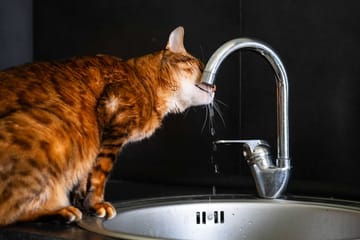
Quick answer: Are cat water fountains safe?
Yes, cat water fountains are safe when properly maintained. Choose fountains made from food-grade materials like stainless steel, ceramic, or BPA-free plastic. Clean the fountain weekly, change filters every two to four weeks, and replace water daily. Regular maintenance prevents bacterial growth and keeps water fresh and safe for consumption.
Why hydration matters for cats
Proper hydration is critical for preventing urinary tract infections and kidney disease in cats. Cats have a naturally low thirst drive and often don't drink sufficient water from bowls alone.
Cats that eat wet food get some moisture that way. Domestic cats eating dry food need supplemental water to maintain kidney function and urinary tract health. Dehydration can lead to concentrated urine, which increases risk of crystals, stones, and infections.
Water fountains can encourage increased water consumption by providing fresh, moving water that appeals to cats' instincts and preferences.
How cat water fountains work
Basic fountain components
Cat water fountains generally contain three essential parts: a reservoir that holds water, a pump that circulates it, and filters that remove debris and odors. The pump continuously moves water through the filtration system, preventing stagnation and keeping water fresh.
This circulation helps maintain water quality between cleanings and makes drinking more appealing to cats who prefer moving water.
Filtration systems
Carbon filters remove odors, chlorine, and impurities that affect taste, making water more appealing. Foam filters trap hair, debris, and larger particles, preventing pump clogs.
Many fountains use both filter types for comprehensive filtration. Filters require regular replacement – typically every two to four weeks – to maintain effectiveness.
Pump types
Submersible pumps sit inside the water reservoir and operate quietly, which is ideal for noise-sensitive cats. These pumps are common in cat fountains due to their quiet operation.
External pumps are easier to access for maintenance but can be louder. Regardless of pump type, regular cleaning is essential for proper function and longevity.
Safety considerations for cat water fountains
Bacterial and algae growth prevention
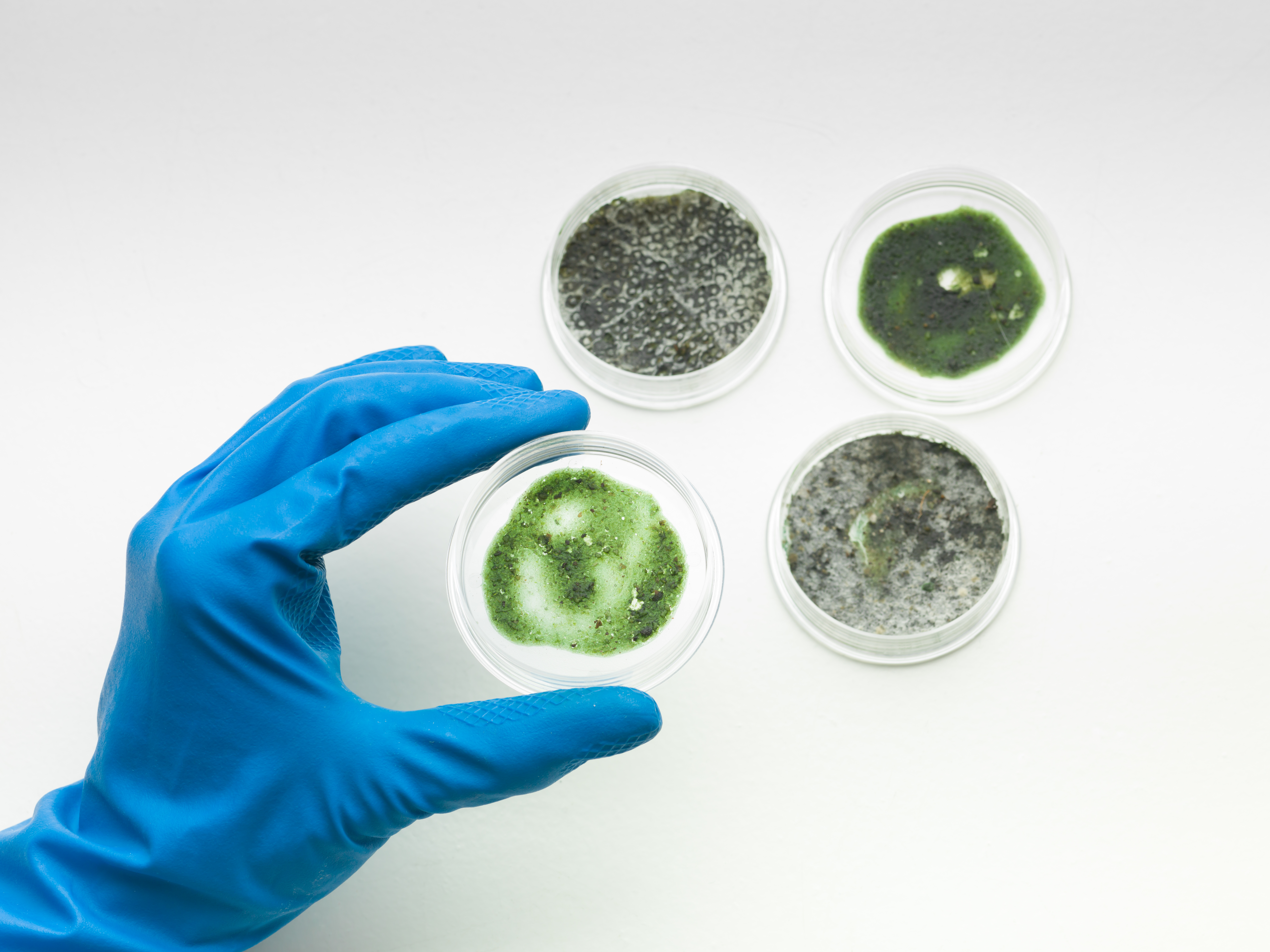
Without regular cleaning, fountains can develop bacterial biofilm and algae growth, creating health risks for cats. Bacteria thrive in moist environments, and stagnant areas of fountains can harbor harmful organisms.
Weekly cleaning with mild soap and water prevents buildup. If you notice slime, discoloration, or unpleasant odors, cleaning is overdue. Daily water changes, even with filtration, help maintain optimal water quality.
Material safety comparison
No single material is inherently safer than others when properly maintained. The following materials can all be safe choices with appropriate care and inspection.
- Stainless steel: Durable, rust-resistant, and highly hygienic. This material is non-porous, resists bacterial growth, and is easy to clean. Stainless steel is often recommended by veterinarians and works well for multi-cat households.
- Ceramic: Non-porous and easy to sanitize. Ceramic fountains are heavier, reducing tipping risk, and don't scratch as easily as plastic. Inspect regularly for chips or cracks that could harbor bacteria.
- BPA-free plastic: Acceptable when properly maintained. Choose high-quality, food-grade plastic and inspect regularly for scratches where bacteria can accumulate. Replace plastic fountains when they become scratched or worn.
Water quality maintenance
Use clean, filtered water to reduce contaminants and mineral buildup. High mineral content in tap water can leave deposits that harbor bacteria and affect fountain function.
Replace water daily to ensure freshness. Monitor water levels to prevent pumps from running dry, which can cause damage and create safety hazards.
Benefits of cat water fountains
Fountains encourage increased water consumption, which supports kidney function and urinary tract health. In addition, moving water stays fresh longer than standing water, such as that found in traditional water bowls, reducing bacterial growth and odors.
Circulation and filtration also remove debris like food particles and hair that would otherwise contaminate bowl water. Many cats find moving water more appealing than still water, making fountains particularly beneficial for cats who drink inadequately from bowls.
Potential risks and drawbacks
Maintenance requirements
Fountains require weekly cleaning to remain safe. Neglecting maintenance can lead to bacterial buildup, pump failure, and potential health risks. This regular commitment may not suit all pet owners' schedules.
Noise considerations
Some pumps produce humming or gurgling sounds that may disturb noise-sensitive cats or household members. Look for models specifically labeled as quiet or low-noise if this is a concern.
Pro tip: Unusual noises often indicate low water levels or pumps needing cleaning. Regular maintenance can minimize noise issues.
Electrical safety
Fountains require electrical outlets near water sources. Always inspect cords for wear and damage, and position plugs away from water. Use fountains with UL-listed pumps for verified safety standards.
Replace any fountain with frayed wires or damaged electrical components immediately to prevent shock hazards.
Choosing a safe cat water fountain
Material selection
Stainless steel or ceramic fountains offer the best combination of durability and hygiene. BPA-free plastic is acceptable if you commit to frequent cleaning and inspection for scratches.
Avoid low-quality plastics that may leach chemicals or scratch easily. Food-grade materials ensure safety for long-term use.
Important features
- Capacity: Select a size appropriate for your household. Larger fountains suit multi-cat homes and reduce refill frequency, while smaller fountains work for single cats.
- Ease of cleaning: Fountains with fewer parts and dishwasher-safe components simplify maintenance. Complex designs with many crevices are harder to clean thoroughly
- Quite operation: Look for submersible pumps and models with noise-reduction features if your cat is easily startled.
Fountain maintenance and cleaning
Weekly cleaning routine
Disassemble the fountain completely and wash all parts with mild, unscented soap and warm water. Scrub thoroughly to remove biofilm buildup, paying special attention to corners and crevices.
Rinse all components completely to remove soap residue. Avoid harsh chemicals or strongly scented cleaners that could deter your cat from drinking.
Pump maintenance
Remove the pump and disassemble it according to manufacturer instructions. Use a small brush or toothbrush to scrub away mineral deposits and debris from pump components.
Clean the pump intake area where hair and debris commonly accumulate. A clogged pump works harder and wears out faster.
Filter replacement schedule
Replace filters every two to four weeks or according to manufacturer recommendations. Dirty filters reduce water quality and strain the pump, shortening fountain lifespan.
Keep replacement filters on hand to maintain a consistent replacement schedule.
Monitoring for wear and water levels
Regularly inspect for cracks in the reservoir, worn electrical cords, unusual pump noises, or reduced water flow. Replace damaged parts promptly to maintain safety and function.
Check water levels daily to ensure the pump never runs dry, which can cause permanent damage.
Frequently asked questions
Are cat water fountains safe for all cats?
Yes, most cats can safely use water fountains. Introduce the fountain gradually by placing it near their usual water bowl and allowing them to explore at their own pace. Some cats adapt immediately, while others need several days to accept the new water source.
How often should you change fountain water?
Change fountain water daily for optimal freshness, even with filtration. This prevents bacterial growth and keeps water appealing to your cat. Daily changes are particularly important in warm environments where bacteria multiply faster.
Can cat water fountains make cats sick?
Fountains can harbor bacteria if not cleaned properly, potentially causing gastrointestinal upset or urinary tract infections. Weekly cleaning of the fountain and daily water changes prevent these issues.
What are signs of a malfunctioning fountain?
Watch for unusual noises, reduced water flow, visible debris despite cleaning, unpleasant odors, or water that appears cloudy. These signs indicate the pump needs cleaning, filters need replacement, or components require inspection for damage.
How long do cat water fountains last?
With proper maintenance, quality fountains can last several years. Pumps typically need replacement every one to two years depending on usage and water quality. The fountain reservoir itself may last much longer if made from durable materials like stainless steel or ceramic.
Are stainless steel fountains better than plastic?
Stainless steel fountains are generally more hygienic, durable, and easier to keep bacteria-free than plastic. However, high-quality BPA-free plastic fountains are safe when properly maintained.